
Going Light
How to give up your smartphone habit

Hello my dear friends and family and welcome to all my new subscribers! I want to especially welcome everyone who arrived from my good friend Dylan over at The Celestial Almanac. After a winter break I am back in action. I’ve got tons of great content lined up for 2025, some of it already written, some of it still in my head, some still yet to be imagined. To kick things off I wanted to share my experience giving up my smartphone for one whole week in a process called ‘going light’. I hope it inspires some of you to imagine how you might ‘go light’ yourself - maybe in a less extreme way, or maybe you want to try out the same method!
much love,
-Rhoen
Chapter 1: Nostalgia
The year is 2007, Fergie appears 3 times in the Billboard top 20, Harry Potter and the Philosophers stone is published, and the world is about to shrink down and follow you around in your pocket. Steve Jobs introduced the first iPhone pitching it as a device that combined your iPod, phone, and internet.
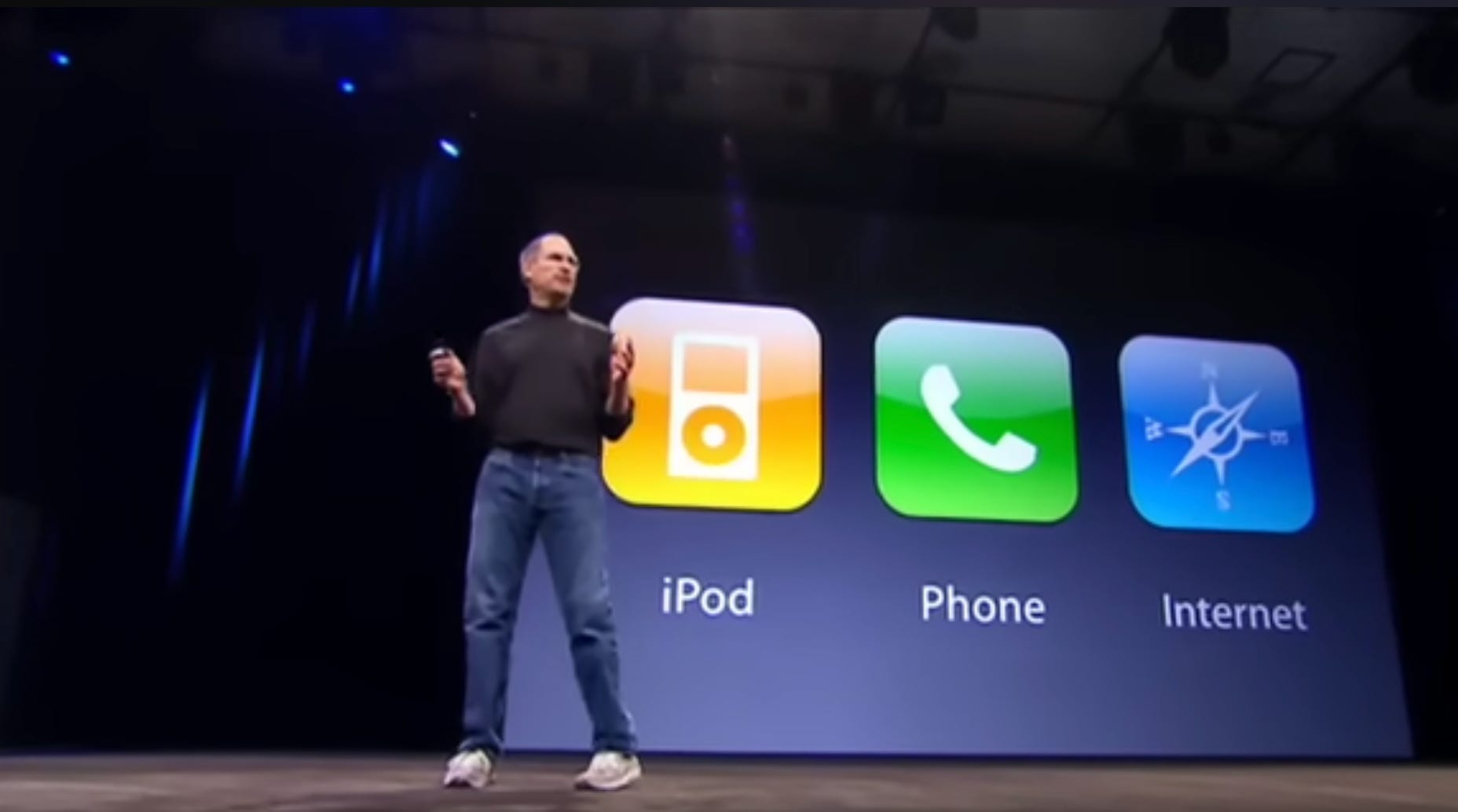
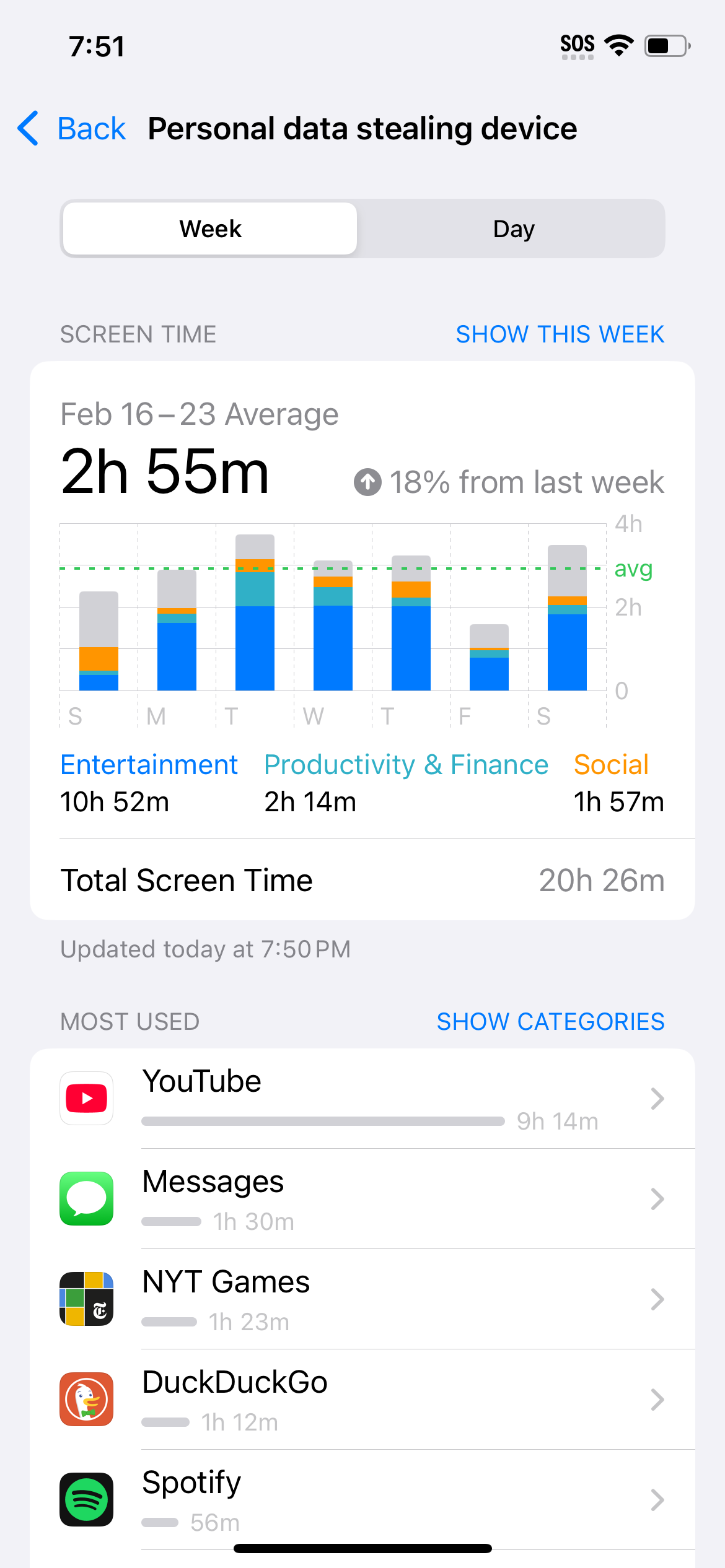
Smartphones are amazing devices. A modern smart phone today is capable of many things that desktop computers in 2007 were not capable of, but what I find more interesting isn’t capabilities, it’s usage. iOS has a feature called ‘screentime’ which keeps a detailed record of which apps you use and when. In 2025 I have been averaging 2.5-3 hours per day on my iPhone, and that’s not even that bad. Apple doesn’t allow users to look back past 3 weeks (hmm, I wonder why?), but I know from checking in the past that there have been weeks when my daily average was even higher.
The problem isn’t all Apple’s fault. Sure they’ve made beautiful objects that are a joy to use, but social media companies have perfected the art of keeping us glued to our screens. The “attention economy” which I’ve touched on before on this substack, and you may be familiar with, is as much to blame if not more so than the smartphone manufacturers. But, the hardware we carry around is the entry point to much of that attention economy.
Chapter 2: The glowing rectangle
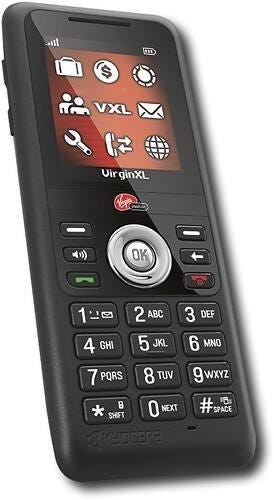
In 2007 I was still in highschool. I owned an iPod video, later an iPod touch and at some point I got my first cellphone; a Kyocera Oyster. It was a basic flip phone that could send and receive text messages and phone calls. When I got to college I upgraded to a “candybar” style camera phone which was basically the same device but I could take grainy photos. Once I started making a little bit of money I upgraded to my first iPhone, an iPhone 4S. A few upgrades and a few years later and it’s 2020; I walked into the Prince Street Apple store in Greenwich Village and spent $1300 on a dark blue 256GB iPhone 12 Pro, and this has been my phone ever since (never in a case, always with a screen protector).
For some, seeing me rock a 5 year old smart phone already raises an eyebrow, but if my golden 10XS still worked, I’d happily switch back to that. In fact, it’s starting to have that vintage look now that really makes a fashion statement, and it glows just as brightly as an iPhone 12 or 16 or whatever number they’re up to now.
Somewhere between flip phone and iPhone 12 though, I think I lost the thread. Is staring at the glowing rectangle in my pocket really a good use of 3 hours of my time every single day? No! Of course not! The majority of those hours, for me, are spent on YouTube. For you it might be Instagram, TikTok or CandyCrush. Either way, most of us have smartphone habits that we know aren’t really good uses of our time, but we can’t seem to look away. So what would happen if we just simply got rid of them? What if we went back to using the Kyocera candybars, or rather, today’s modern equivalent? Enter, the Light Phone.
Chapter 3: Going Light
The Light Phone 3 is an Android based device that offers all the same features of a Kyocera, just with less potato quality photos. Not only that, it has some distinct advantages. For example, you can enter contacts through a web interface and sync them to the phone. On March 3, 2025 I participated in the beta program. I swapped my physical sim card from my iPhone into the test device, and began 7 days of going light. The only commitment was to make sure I only turned on the iPhone if I absolutely had to. Spoiler alert, I didn’t have to.
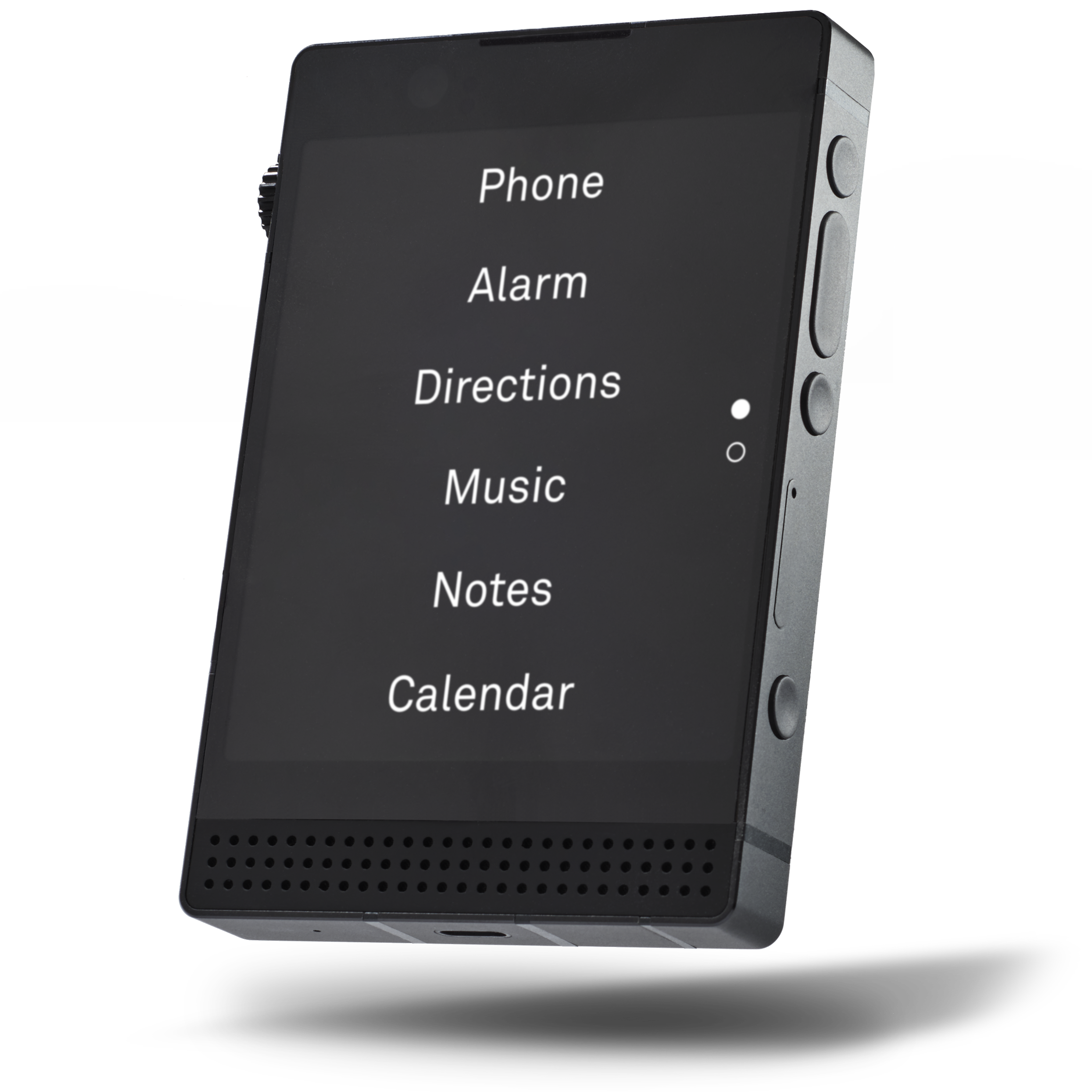
The thing you have to understand about going light is that it’s as much an attitude as it is a forcing function. For me, the experience was about answering the question “What if the attention seeking device in my pocket only sought my attention when an actual person, in my actual contacts list, was trying to get my attention?” Where would my attention go? To fully explain my experience I’m going to focus on the 3 components of an iPhone, according to Steve, and how those elements of my life continued to thrive, but in a different way.
Phone
The phone parts of the Light Phone 3 behave just as well as any android device, which is to say you can easily send and receive phone calls and SMS, and iPhone users will be confused why their iMessages aren’t getting delivered (the iMessages will go to your computer where you can respond to them later. With some effort folks can force the bubbles to turn green but they’ll rarely think it’s worth it. If its urgent they’ll call you). At the end of one week I noticed no change in the amount of texts or phone conversations that I was having. I was able to communicate perfectly fine with people while I was on the go. The mobile part of the mobile phone was fully functional. In fact, maybe even a step up from the iPhone - the battery lasted 3 days before I needed to charge!
I haven’t analyzed my usage to this level of detail, but I do think I was more likely to call someone rather than text them while using my Light Phone. The experience of texting felt more like how it did back in the day when we invented nonsense abbreviations because each character was precious. Typing a message is more difficult on a Light Phone, so if I wanted to actually talk with someone, I would call them. If I just wanted to make a plan to meet up, that’s an easy conversation to have over text.
iPod
The iPhone really is an amazing music playing device. Spotify gives me access to anything I could want to listen to instantaneously, and it’s always there, right in my pocket. When I’m on the train, going for a walk, or hanging out in my house, I am very often playing music or listening to a podcast on my phone. Not having access to this soundtrack of my life was immediately apparent and led to some pretty interesting behavior changes. It’s also where I started to see a larger change in my attention.
Although it’s theoretically possible to load songs or podcasts onto the Light Phone, I think that experience would require more of an iTunes mind set. I would need to plan what I was going to listen to ahead of time, load that particular audio on to the device, and give a listen. I’m open to trying that again, but that’s not how I listen to music on my iPhone. My iPhone delivers me on demand entertainment. My iPhone fills my kitchen with groovy vibes or droning conversations depending on my mood. The sounds are on demand, there’s a variety to choose from, and I can change what I’m listening with a tap of a button. Often times I’m not interested in choosing my music, I just want my “Discover Weekly” which is an auto generated playlist. Music that someone else picked out for me to listen to.
3 days into my Light Phone experience and I had purchased a transistor radio.
On demand? Check.
Variety to choose from including both talking heads and music? Check.
Someone else creating the playlist for me? Check!
After trying out the radio I’ve come to believe that it satisfies my at home, on demand audio listening needs better than the iPhone. The audio quality is worse than my Sonos, yes, but when I’m eating breakfast and packing my son’s lunch and washing dishes all at the same I’m not exactly paying attention to the music. All I really want is to quickly pick a vibe and adjust the volume, two things that are genuinely easier to do because there are fewer choices and nice analog dials.
Another time that I will often listen to audio on my phone is while I’m on the go, and this habit changed dramatically this week. The thought of riding the trolley with no form of entertainment was terrifying, so I planned ahead and, *gasp* brought a book. I started reading The Agüero Sisters by Christina Garcia this week and I’m nearly half way through. I’m not here to tell you that reading is inherently more valuable than listening to audio books or music or podcasts, but for me, it definitely requires a level of attention that I usually find difficult to muster, but this week it was no issue at all. Reading felt like the natural thing to do with the extra moments that I had. Extra moments that 100% would have been spent looking at the glowing rectangle, and most certainly not reading a good novel.
Internet
In terms of time spent on device, the internet takes the cake for me, and going in to this experiment, the internet would usually take the form of YouTube. Multiple hours per day spent on the site; mostly edutainment and let’s play content. One of my big questions was would I actually spend less time on the site? Or would I just end up watching on my laptop?
Other than one weekend afternoon when the toddler was finally asleep and I was zonked out on my couch flipping through YouTube shorts feeling like a literal zombie, I watched almost no YouTube. I barely noticed its absence from my life. What I did notice, however, was the absence of certain other habits related to my smartphone. Although it didn’t register during the time spent on the device, I noticed that I wasn’t checking my email or work slack constantly throughout the day. With the exception of being 10 minutes late to one (1) meeting because I misremembered the starttime and didn’t receive the ping on slack that the meting had started, eliminating this habit of constantly checking for notifications that aren’t urgent and don’t require my immediate attention was a major positive.
Other internet habits, like online shopping or looking up information were easily completed on my laptop, and the modest inconvenience of my laptop not being in my pocket just meant that I would always have to ask myself, is this thing I am trying to purchase or information I am trying to look up a “right now, like literally right now” type of thing, or can it wait until some time soon when I’m by my computer. Turns out, buying a transistor radio so I can have music is a now thing, but buying D batteries for it so it can be portable is a later thing.
What’s Next
For me there’s no question about the success of this experiment. Going Light will abosolutely be my default moving forward, and I will keep the iPhone around for situations when I specifically need the additional capabilities (having DuckDuckGo and a language translation app while traveling internationally feels like a good use case for the smartphone).
The one thing that the radio has me wondering though is how will I keep track of songs that I hear and want to listen to again? If only there were some way to record the songs from the radio onto some sort of device that could be played back again later. Maybe it could even be a small cheap format where I could make copies and distribute them to my friends to share all the cool music I had discovered. You might be able to do it with like a magnetic strip of tape, yeah, magnets pretty much make anything possible IIRC…
You can learn more about the Light Phone and pre-order your own at https://www.thelightphone.com/shop/products/light-phone-iii
Thanks for writing this, it was a joy to read and I am so glad you are back! I love that you de-monetized the attention economy - radio, reading books, reducing slack-checking (ooh, that one really got me as a former slacker).
I want one!